
It’s easy to think of strength as something static – you either have it, or you don’t. But new research suggests we should aim to build strength by seeking out challenging exercise and physical movements throughout our entire lives. The benefits go beyond bigger muscles and include improved muscle groups across your body, including the upper body and lower body.
When you start strength training, it’s important to focus on proper technique and gradually increase the resistance, whether that means using more weight or lighter weight as you build confidence. Paying attention to details like keeping your feet flat on the floor and positioning your right foot and left foot correctly can make a big difference in your form and help avoid pain or injury.
Strength training not only helps you build muscle mass but also supports weight loss by helping you burn more calories, contributing to overall weight loss and better health. Incorporating strength training exercises into your routine can promote a healthier metabolism, reduce pain, and improve your ability to perform everyday activities with ease.
What is Strength Training?
Strength training, also called resistance training, involves strength training exercises designed to challenge your muscles by working against an external resistance. This resistance can come from free weights, body weight, resistance bands, or weight machines. The goal is building muscle strength and muscle mass, which supports everyday movements, improves balance, and helps protect bones and joints. Performing these exercises with proper technique, keeping your core engaged and your body in a straight line, maximizes effectiveness and reduces injury risk.
Why Add Strength Training to Your Routine?
Incorporating strength exercises 2–3 times per week can significantly boost your physical activity levels and overall health. Research shows that for beginners specifically, training on consecutive or nonconsecutive days leads to similar muscle improvements. While rest days are still important for recovery, this finding applies only to those who are new to strength training. More advanced or highly trained athletes generally require structured recovery days to support performance and avoid overtraining.
Strength training helps you build and maintain muscle mass, which supports a healthy metabolism and overall body function. It also improves bone density, reducing the risk of osteoporosis and fractures—especially as you age. Plus, regular resistance training enhances cardiovascular health, aerobic fitness, energy levels, and mood, contributing to overall well-being.
To keep your workouts engaging and balanced, include a variety of movements such as biceps curls, calf raises, and single-leg exercises that target both sides of the body.
Under-appreciated benefits of strength training:
Live Independently Longer
The coordination you learn from strength training helps your brain keep your body stable. Especially when it comes to the legs, hips, and hip muscles, strength is your ally for being able to live independently. Strength is crucial for independent living, and it is among the top determinants of whether you will endure a fall. If we don’t take action to preserve our muscle we will lose it, so strength training should be on your exercise program list every week. Exercises that involve controlled movements and alternating sides, such as single-leg raises or lunges, help improve balance and coordination. Just one strength training session can improve how steady and confident you feel moving through daily tasks—like carrying groceries, climbing stairs, or getting up from a chair. Over time, these small improvements build into lasting strength, better balance, and greater independence as you age.
“Maintaining muscle strength isn’t just about performance, it’s about preserving independence. Decades of research show that lower body strength, balance, and coordination are among the strongest predictors of whether an older adult can live independently without assistance.”
– Karlie Intlekofer
Better Blood Sugar
Your muscles can rapidly pull in blood sugar. Those who strength train regularly are better able to avoid high blood sugar spikes, and have a lower risk of developing type 2 diabetes. Research confirms that within weeks, strength training improves blood sugar regulation. Even individuals with pre-existing diabetes have better symptom management if they begin training for strength.
Build Stronger Muscles AND Bones
You don’t need to spend hours in the gym to start seeing benefits—research shows that both free-weight and body-weight strength training can increase muscle size and improve muscle quality in just a few weeks. Even simple movements done consistently send powerful signals that help your muscles and bones adapt and grow stronger.
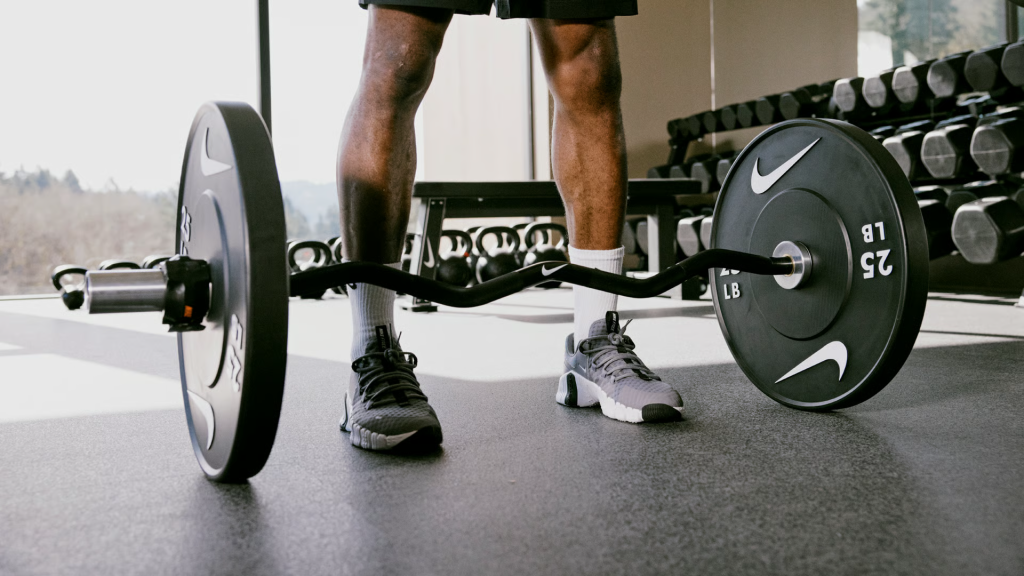
While any type of strength training can build muscle, studies show that using free weights—like dumbbells or barbells—may offer an extra advantage for improving bone density. Lifts such as squats, deadlifts, and overhead presses load the skeleton in ways that stimulate bone growth and long-term bone strength.
Start today with approachable, full-body exercises—like lunges, squats, or push-ups—to feel stronger, steadier, and more energized. Over time, those small sessions build lasting strength, denser bones, and the freedom to stay active and independent for years to come.
Lower blood pressure
New research shows that as we work the muscles, our circulation improves. The blood vessels adapt to the challenge of your workouts and this can help us keep our blood pressure in a healthier range. As we age, blood pressure tends to increase, so strength training can be part of an active lifestyle that reverses this trend.
Home Gym Essentials for Strength Training
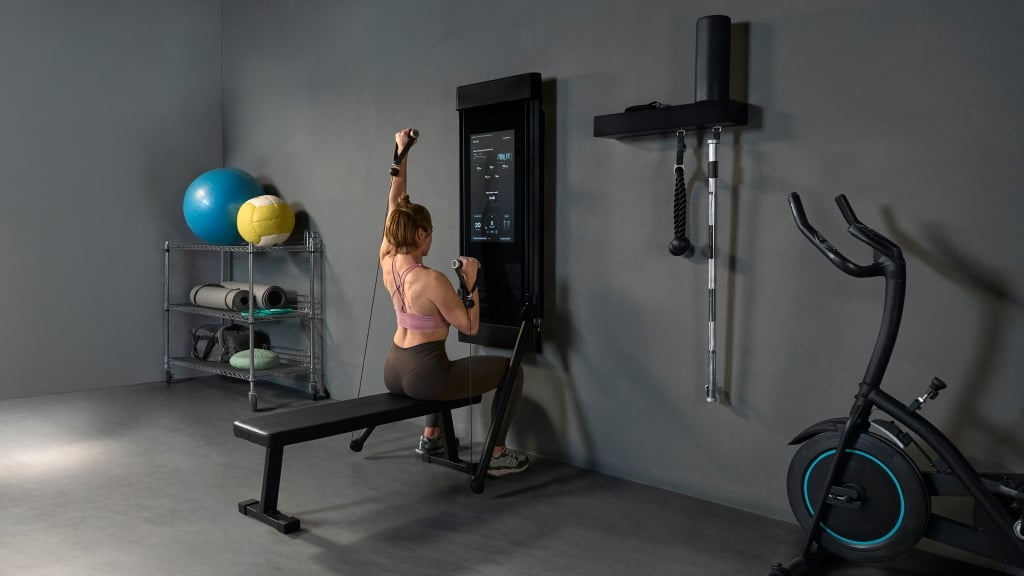
Creating a home gym for strength training doesn’t require a lot of space or expensive equipment. We help make it easy for you to start or enhance your home gym, so you can easily find the gear that gets you going.
Start Your Home Gym: Build It with Johnson Fitness & Wellness
If you’re just starting out, these basic, versatile pieces of equipment will allow you to perform dozens of effective strength exercises right away. You’ll have everything you need to begin your journey and feel the benefits of strength training.
- The Foundation: Start with a durable mat to protect your joints and provide a non-slip surface for floor exercises and stability.
- The Go-To Weights: Free weights, such as adjustable dumbbells or kettlebells, allow you to gradually increase weight and challenge your muscles as you progress.
Already Started? Enhance Your Home Gym
For those ready to level up their strength routine, a sturdy bench is the next essential item that unlocks a vast range of new exercises and improves your lifting form.
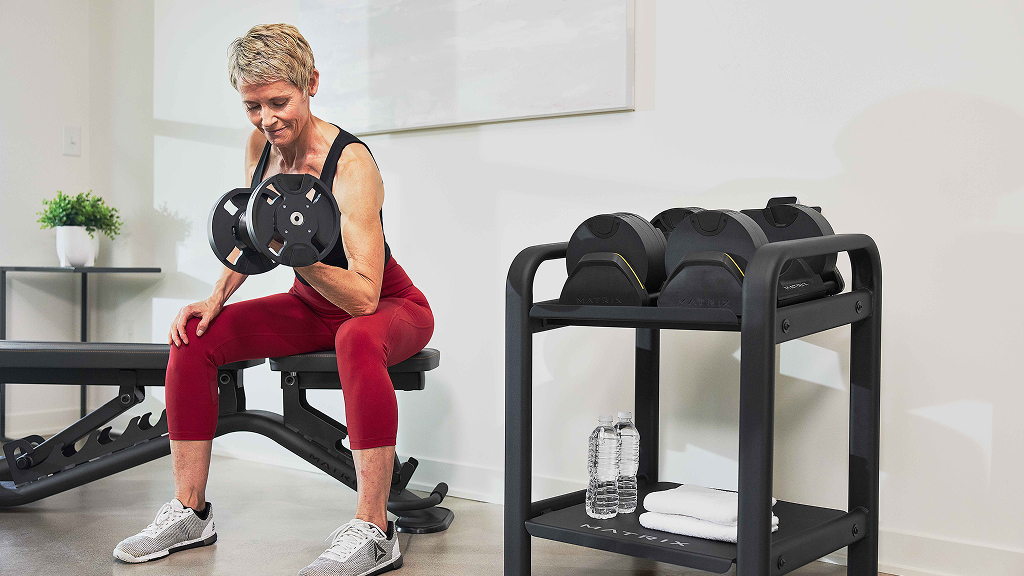
- The Versatile Upgrade: A quality bench provides support for exercises like chest presses, tricep dips, and seated curls, transforming your free weights into a full gym experience.
The Main Takeaway
Strength training is a powerful tool to build muscle mass, boost metabolism, improve bone density, and enhance overall health. By focusing on proper form, starting position, and gradually increasing resistance or weight, you can create a balanced exercise program that supports your fitness goals and everyday activities. Whether you use free weights, body weight exercises, or resistance bands, consistency and progression are key to reaping the long-term benefits of strength training.