I was reminded recently just how much squats do when they’re done right. They’re one of those exercises that look simple, but the details matter way more than most people realize. Get the technique down, and squats become one of the most effective lower-body moves you can do. Miss a few basics, and they can quickly turn uncomfortable or worse, lead to injury.
Whether you’re brand new to squats or just trying to clean up your form, here’s what actually makes the difference.
Why Proper Squat Technique Matters
A good squat is a full-body movement. Yes, your legs are doing the heavy lifting, but your core, upper back, and hips are all working together too.
When your form is dialed in, squats hit your quads, hamstrings, glutes, and core at the same time. They also teach your body how to move well, something that carries over to everyday life. Standing up. Sitting down. Lifting things safely.
Proper technique protects your knees and lower back, improves balance and mobility, and makes the movement feel stronger instead of stressful.
Starting Position: Set Yourself Up Right
Everything starts before you even move.
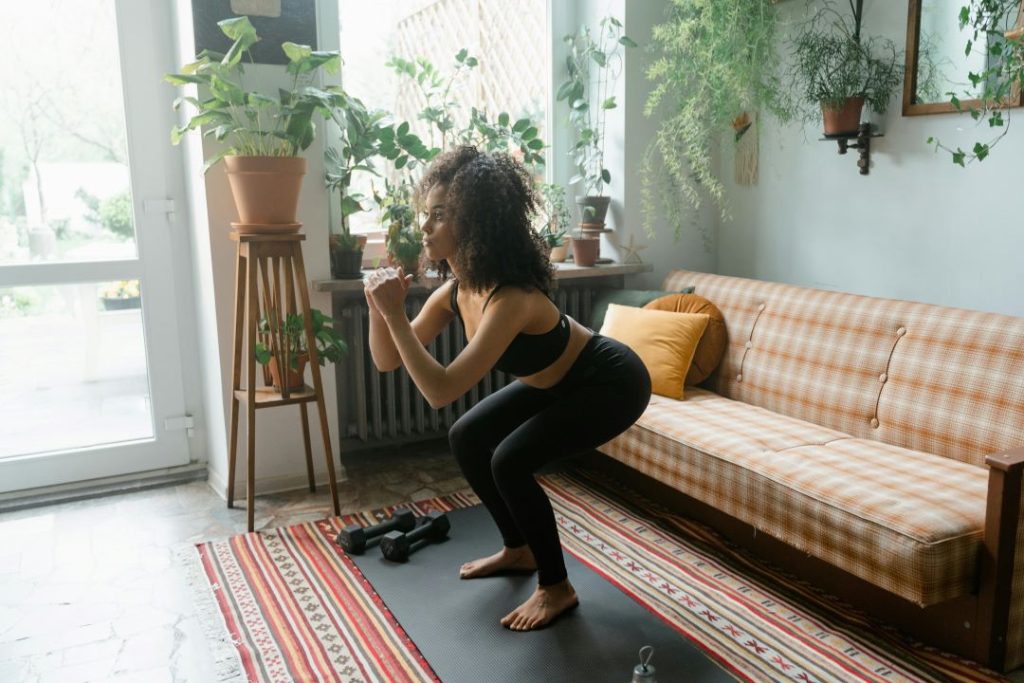
Stand tall with your feet about hip-width to shoulder-width apart. Let your toes point slightly outward. Keep your chest lifted, shoulders back, and head neutral all while keeping your eyes forward.
Engage your core like you’re bracing for a cough. That tension helps keep your torso upright and your spine stable.
How to Squat Properly
- Initiate the Movement: Begin by pushing your hips back as if sitting into a chair, simultaneously bending your knees while keeping them aligned with your toes.
- Lower Down: Descend until your thighs are at least parallel to the floor, aiming for a deep squat if your mobility allows. Avoid partial squats or half squats, as these limit the range of motion and benefits.
- Maintain Proper Form: Keep your feet flat on the ground, weight distributed evenly through your mid foot, and knees tracking over your toes without caving inward.
- Stand Tall: Drive through your heels to return to the starting position, fully extending your hips and knees while maintaining a neutral spine and chest upright.
Common Squat Variations
Squats aren’t one-size-fits-all. Different variations challenge your body in different ways.
- Bodyweight Squat
Great for learning form and warming up. - Goblet Squat
Holding weight at your chest helps keep your torso upright. - Front Squat
Emphasizes quads and core strength. - Back Squat
Allows heavier loads and targets the posterior chain. - Bulgarian Split Squat
Builds single-leg strength and balance. - Overhead Squat
Tests mobility, stability, and full-body control.
Using Weights to Enhance Your Squat
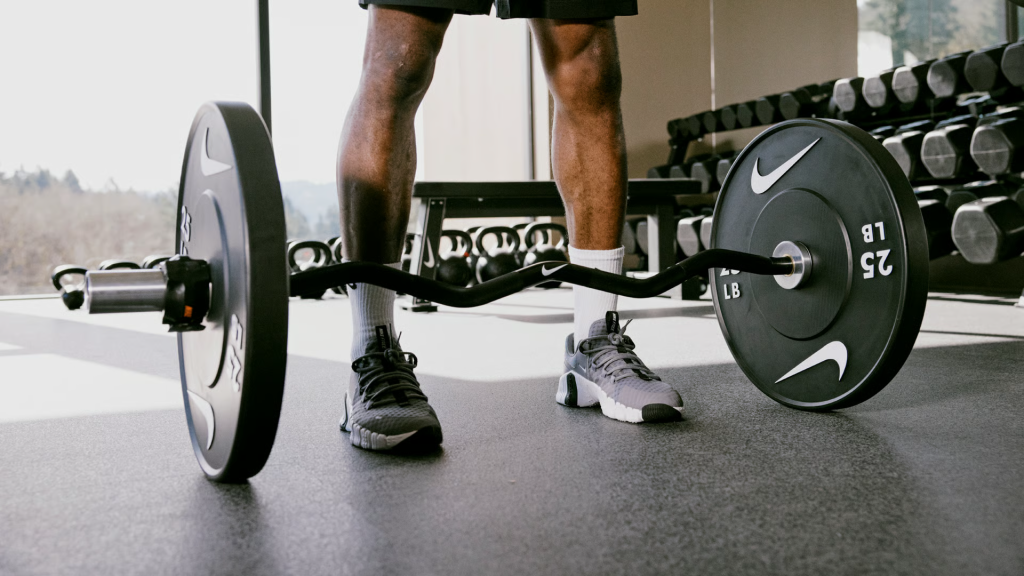
Once your form feels solid, adding resistance can make squats even more effective. Barbells, dumbbells, and kettlebells all work. What matters most is control and progression.
Explore a selection of barbells, dumbbells, and kettlebells here to level up your squat workouts and help you achieve your strength training goals.
Heavier weights should always come with extra attention to setup and safety. Using a squat rack or power rack isn’t just smart, it’s protective. Check out some home gym options to invest in your training space.
Simple Tips That Make a Big Difference
- Keep knees aligned with your feet
- Don’t let your heels lift
- Brace your core before every rep
- Avoid rounding or over-arching your back
- Warm up with bodyweight squats first
- When in doubt, go lighter and cleaner
If something feels off, a personal trainer can spot small form issues that are hard to see on your own.
Why Squats Belong in Your Routine
Squats build muscle, strength, and core stability all at once. They improve athletic performance and make everyday movements feel easier and safer.
Most importantly, they reward good technique. When you take the time to squat well, your body responds with better strength, better balance, and fewer aches along the way.
Main Takeaways
Start simple. Focus on form. Add load gradually.
That’s how squats go from “just another exercise” to one of the most powerful tools in your training.