
With so much focus on losing weight, it might be surprising to know that for many older adults, losing strength and mobility may pose a greater threat to independence than carrying a few extra pounds.
Muscle mass and strength naturally decline with age, which may impact mobility and function. Weight loss can accelerate that process if too much lean tissue is lost along with body fat. This matters because muscle supports balance, mobility, recovery from illness, and the ability to perform everyday tasks without assistance.
GLP-1 medications such as semaglutide (Wegovy/Ozempic) and tirzepatide (Mounjaro/Zepbound) are highly effective for weight management, blood sugar control, lowering cardiovascular risk factors, and reducing the burden that excess body weight puts on joints and mobility.
But for older adults, success on a GLP-1 medication should not be measured only by the number on the scale. As we age, maintaining muscle becomes just as important as losing body fat. In fact, preserving strength, balance, and mobility may be more important than reaching the lowest possible weight.
If you are over 60 and using a GLP-1, the goal should no longer be to simply weigh less. The goal is to balance a healthy weight with maintaining lean muscle, in order to stay independent and maintain the ability to enjoy daily life.
Aging Naturally Changes Your Body
Beginning around age 30, adults start to lose muscle mass and strength. This age-related muscle loss, known as sarcopenia, becomes more noticeable as you get older and accelerates after age 60.
Left unchecked, it can affect nearly every aspect of daily life, making it more difficult to climb stairs, carry groceries, recover from illness, and maintain independence.
At the same time, aging is often accompanied by changes in bone density, flexibility, balance, and aerobic fitness. Together, these changes increase the risk of falls, fractures, disability, and loss of independence.
For older adults, maintaining physical function should be a primary goal of healthy aging, but weight loss can actually speed up muscle loss, increasing the risk of frailty, a decrease in functional ability, and potentially a loss of independence.
Weight Loss Can Include Muscle Loss
GLP-1 medications work primarily by decreasing appetite, helping people eat fewer calories. While this creates the calorie deficit needed for weight loss, it also means that most people are often consuming less protein and other nutrients required to maintain muscle tissue.
Research suggests that approximately one-quarter to one-third of the weight lost during GLP-1 treatment may come from lean mass, although lean mass includes more than just muscle. While these studies cannot determine exactly how much skeletal muscle is typically lost, they highlight why protecting muscle during weight loss deserves attention.
This does not mean GLP-1 medications themselves cause harmful muscle loss. In fact, for many people, they are life-changing medications that improve health. But when weight loss is too fast, calorie or protein intake is too low, or strength training is not a focus, this increases the risk of losing too much muscle, particularly for older adults already at risk.
Chasing the Lowest Possible Weight Isn’t Always the Goal
Many people have spent decades believing that lighter is always healthier. For older adults, that mindset deserves reconsideration.
Losing excess body fat can improve blood sugar, blood pressure, joint pain, sleep apnea, and heart health. But there comes a point where continuing to lose weight provides diminishing returns if it comes at the expense of muscle strength and physical function.
Studies of adults over age 65 suggest that carrying a modest amount of additional weight may not pose the same health risks later in life. In fact, some research has associated body mass index (BMI) between approximately 23 and 30, slightly higher than “normal” for younger adults, with better longevity in older adults.
Maintaining mobility often determines whether someone can continue living independently. Weight loss can certainly improve mobility by reducing stress on the joints. However, strength is what allows those lighter joints to move efficiently and safely. A lighter body without enough muscle may still struggle with balance, endurance, and everyday tasks.
The bottom line is that as we age, there needs to be a balance between achieving the lowest possible weight and how much muscle we can maintain. Instead of focusing on, “How low can my weight go?” consider asking, “How well can my body function?”
Strength Training Helps Protect What Matters
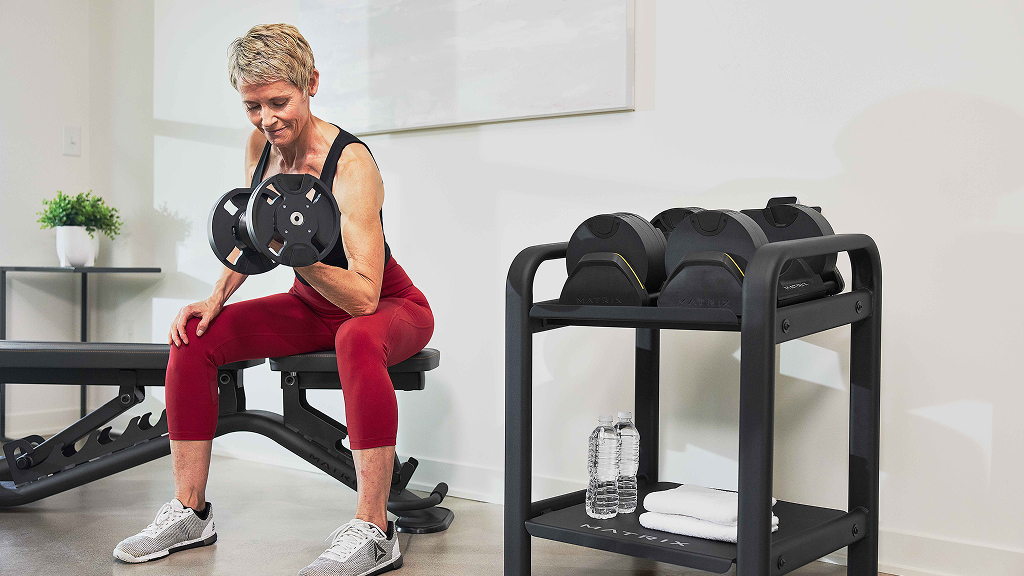
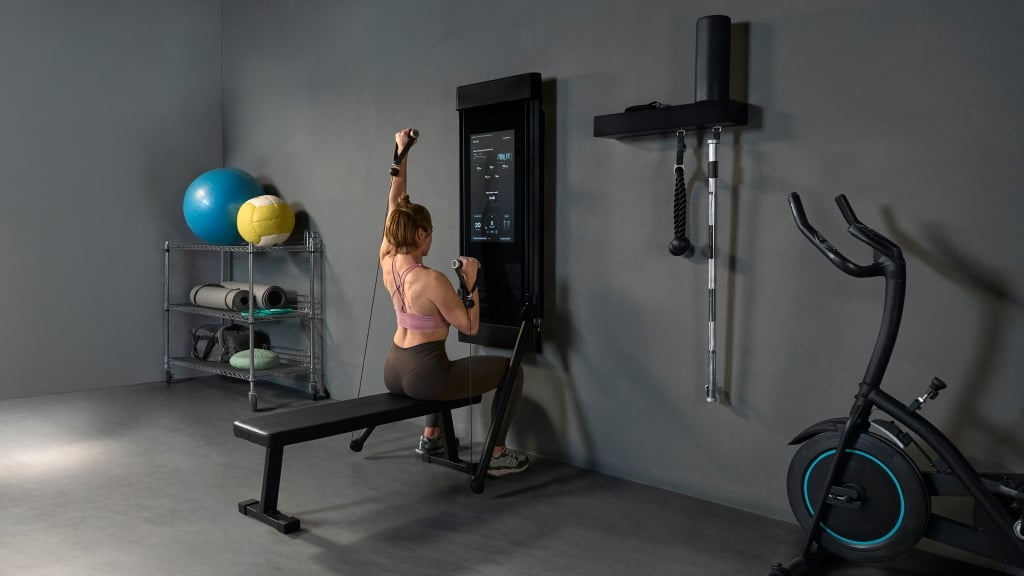
Resistance training is one of the most effective ways to keep the muscle you have during weight loss. When you lift weights, use resistance bands, perform bodyweight exercises, or use weight machines, you send your body an important message: This muscle is still needed.
Research consistently shows that resistance training helps older adults preserve lean mass, improve strength, increase physical function, and reduce disability during intentional weight loss.
Current guidelines recommend strength training at least two days per week, working all major muscle groups. Simple exercises work, such as:
- Squats or sit-to-stands
- Step-ups
- Rows
- Chest presses
- Carrying weights
- Core exercises
You don’t need to become a bodybuilder; these simple functional exercises can significantly improve strength needed for everyday life.
Don’t Forget About Protein
Exercise alone cannot fully preserve muscle. Getting enough protein while losing weight provides the building blocks your body needs to repair and maintain muscle tissue.
Because GLP-1 medications lower appetite, many people unintentionally eat less protein than they realize. If you are using a GLP-1, the easiest thing to do is to include a source of protein with each meal, such as:
- Greek yogurt
- Eggs
- Chicken
- Fish
- Cottage cheese
- Beans
- Tofu
- Lean beef
If you need help knowing exactly what foods to eat to support muscle and weight loss, consider meeting with a registered dietitian who can create a personalized plan.
Healthy Aging Is About More Than Weight
GLP-1 medications are valuable tools that can help many older adults improve their health. But losing weight is only one piece of the puzzle.
What the scale says cannot tell you whether you’re becoming stronger or more functional. And this may matter for your long-term health far more than a few additional pounds. The real goal is preserving the strength, mobility, and independence that allow you to continue living life on your own terms.
Weight loss may improve your health, but muscle helps you enjoy it.
By combining GLP-1 medications with regular movement, strength training, adequate protein, and a focus on physical function, older adults can work toward not only a healthier weight, but also a stronger, more capable body that supports healthy aging for years to come.