GLP-1 medications such as semaglutide (Wegovy/Ozempic) and tirzepatide (Mounjaro/Zepbound) can be effective tools for weight management and blood sugar management. But losing weight is only part of the goal when using these medications. You also want to preserve the muscle, strength, balance, and mobility that help you stay active and independent into your golden years.
That is why strength training for GLP-1 users is non-negotiable.
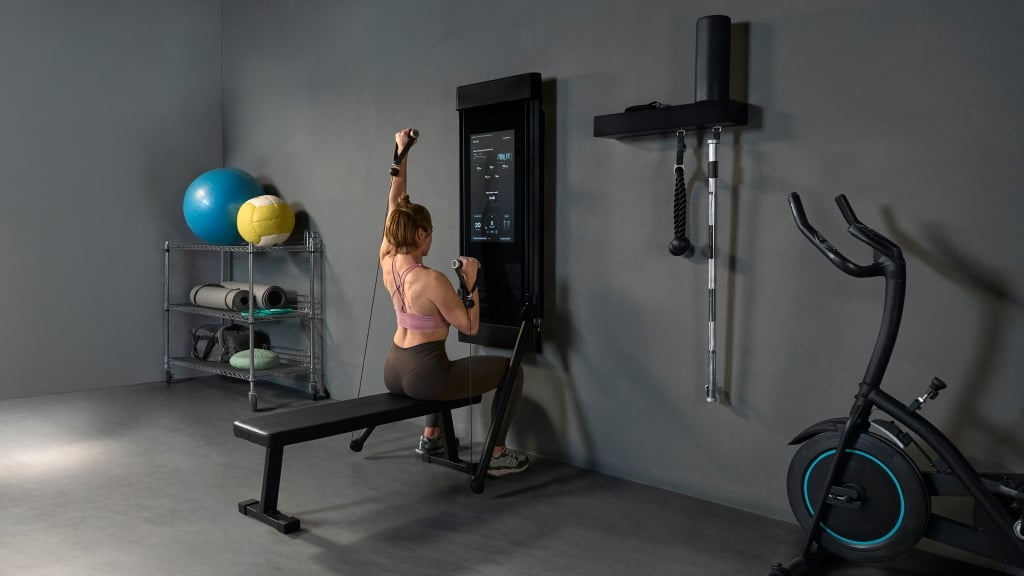
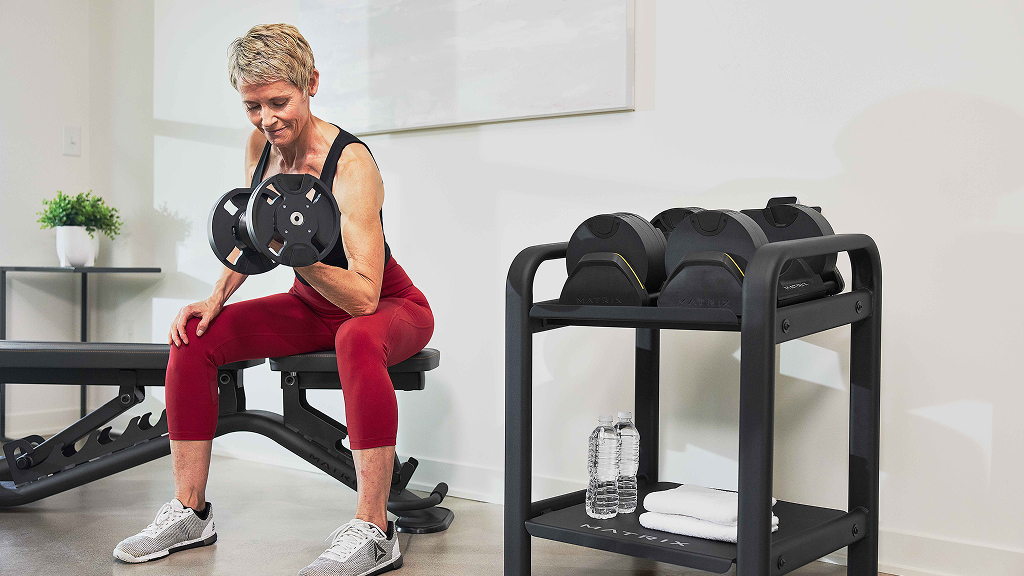
Strength training, also called resistance training, uses dumbbells, weight machines, resistance bands, or your own body weight to help strengthen and preserve muscle. The goal of these exercises is to send your body a powerful message: the muscle you have is still needed, even as you eat fewer calories and lose weight.
In this guide, we’ll walk through why strength training matters when losing weight as well as some exercises and workouts GLP-1 users can implement into their routines to preserve muscle during weight loss.
Want to learn more about strength training and GLP-1s?
Listen to GLP-1 Hub host and registered dietitian Ana Reisdorf talk with Johnson Fitness & Wellness Executive Vice President Craig Lewin about the role fitness and strength training can play in supporting people on their GLP-1 journey.
Watch the GLP-1 Hub conversation →
Click on a section below to jump to it or keep reading to see all our recommendations.
- Weight Loss May Include Lean Body Mass
- Muscle Matters More as We Age
- Strength Training Helps Preserve Muscle During Weight Loss
- Stronger Muscles Support Everyday Independence
- Resistance Exercise Supports Bone Health
- Strength Training Can Support Blood Sugar Control
- How Much Strength Training Do You Need?
- Focus on What Your Body Can Do
Weight Loss May Include Lean Body Mass
When the number on the scale drops, the weight lost is not always entirely body fat. Some lean body mass can be lost with almost any significant weight-loss method.
In an evaluation of the body composition of semaglutide users after 68-weeks on the medication, while the subjects did lose significant fat mass, lean body mass declined by 9.7%.
It is important to understand that “lean mass” includes water, connective tissue, and muscle. Therefore, a 9.7% decrease in lean mass is not the same as a 9.7% decrease in skeletal muscle.
So, while this study cannot tell us exactly how much skeletal muscle was lost, muscle makes up a substantial portion of lean body mass. Therefore, it is reasonable to assume that at least some of the decline involved muscle. This makes preserving muscle through strength training and adequate protein intake an important component of the lifestyle changes required for those using GLP-1 medications.
Muscle Matters More as We Age
Adults naturally tend to lose muscle and strength with age. Over time, this can make it harder to climb stairs, carry groceries, get out of a chair, maintain balance, or recover from an illness or injury.
GLP-1 medications may also reduce appetite enough that some people consume fewer calories and less protein than their bodies need. Nausea, fatigue, or other side effects can make regular exercise and eating enough more challenging.
Strength training provides the physical stimulus your body needs to maintain muscle tissue. After age 50, it is even more essential, and it’s not just about how you look; it becomes about protecting the abilities you use every day.
Strength Training Helps Preserve Muscle During Weight Loss
Research in older adults consistently shows that resistance exercise is especially valuable during intentional weight loss.
In one clinical trial of adults over 65 with obesity, researchers compared weight loss combined with aerobic exercise, resistance training, or both. Resistance training helped preserve lean mass better than aerobic exercise alone. Combining aerobic and resistance exercise produced the greatest overall improvement in physical function.
Another clinical trial in older adults with obesity found that adding resistance training to a calorie-reduced diet preserved more lean mass than adding walking or following the diet alone.
While these studies did not specifically include GLP-1 users, they provide strong evidence that strength training can help protect muscle during weight loss.
Stronger Muscles Support Everyday Independence
Many people use GLP-1 medications for weight loss and blood sugar management, but the goal should also be a healthier, more independent life. With this in mind, strength training should be a foundational part of every GLP-1 treatment plan.
If you are not sure where to start, a useful strength-training program focuses on movements that show up in daily life:
- Squats or sit-to-stands help with getting out of a chair.
- Rowing support posture and pulling movements.
- Chest presses help with pushing movements.
- Step-ups prepare you for stairs.
- Carrying weights improves grip and total-body stability.
- Core exercises help with balance and trunk control.
The goal is not to become a bodybuilder. The goal is to make the activities of daily living easier. A lighter body may make movement more comfortable, but a stronger body is better prepared for life’s mobility demands. That makes these effective workouts for GLP-1 users.
Resistance Exercise Supports Bone Health
Bone health is another important consideration as we age and during weight loss, particularly for postmenopausal women. Aging increases the risk of osteoporosis and fractures, and intentional weight loss may sometimes lead to a decline in bone density.
Resistance training places controlled stress on your bones and muscles, encouraging them to adapt and strengthen. In the LIFTMOR clinical trial, supervised resistance and impact training improved bone density and physical function in postmenopausal women with low bone mass.
The lesson here is that strength training is not just about muscles; it is also about challenging your bones, which can be an equally important part of healthy aging.
Strength Training Can Support Blood Sugar Control
Skeletal muscle is one of the body’s major sites for glucose (blood sugar) use. When your muscles contract during exercise, they take up glucose for energy. Over time, resistance training may also improve the body’s response to insulin. Maintaining muscle is essential if you are using GLP-1 for blood sugar management.
A clinical trial in older adults with type 2 diabetes found that progressive high-intensity resistance training, combined with moderate weight loss, improved blood sugar and increased muscle strength.
For GLP-1 users managing type 2 diabetes, strength training may complement, not replace, the blood sugar benefit of the medication.
How Much Strength Training Do You Need?
A practical starting goal for strength training is two full-body sessions per week on nonconsecutive days. Beginners can start with one set of each exercise and gradually progress to two or three sets.
Choose a resistance that allows you to complete approximately 8 to 12 controlled repetitions. The final few repetitions should feel challenging, but you should not need to hold your breath, use momentum, or sacrifice proper form.
If you have access to weight machines at the gym or at home, these can be especially helpful for beginners because they provide stability and make it easy to adjust the resistance in small increments. Dumbbells and resistance bands are also effective options for home workouts.
Focus on What Your Body Can Do
If you are new to strength training, being consistent matters more than trying to do it all. Begin with exercises you can perform comfortably and increase the resistance only after your form feels controlled.
Talk with your healthcare provider before starting a new exercise program if you have medical conditions that may affect your ability to exercise. A certified personal trainer or physical therapist can also help you create an exercise routine that matches your current health and ability level.
The scale cannot tell you whether you are becoming stronger, moving better, or protecting your independence. For GLP-1 users, strength training helps turn weight loss into a stronger, more capable body. The medication may help create the weight change, but resistance exercise helps protect the muscle and physical function needed to enjoy the results.