When many people start a GLP-1 medication, they assume they need to spend hours on the treadmill to burn more calories and maximize their weight loss. In reality, the opposite is often true.
Because GLP-1 medications, like semaglutide (Wegovy/Ozempic) and tirzepatide (Zepbound/Mounjaro), already help create the calorie deficit needed for weight loss by decreasing appetite and increasing fullness. This means that your exercise routine no longer needs to be about just burning more calories.
Instead, the goal of your workouts should be to help preserve muscle, improve physical function, and support long-term health. For most people, that means prioritizing two simple forms of exercise: walking and strength training.
Why Walking Is One of the Best Exercises for GLP-1 Users
Walking is one of the safest and most sustainable forms of exercise available. It requires no special equipment, places relatively little stress on the joints, can be done almost anywhere, and can be divided into shorter sessions throughout the day, making it easier to maintain even when energy or appetite is lower.
Research supports walking as an effective way to improve several areas of health. A review of walking interventions in people with type 2 diabetes found that regular walking improved blood sugar control, cardiorespiratory fitness, blood pressure, and body weight. Another large analysis found that walking for around 30 minutes per day, five days per week, was associated with a 19% lower risk of coronary heart disease.
Walking may also support mental well-being. A 2024 analysis of 75 trials found that walking significantly reduced symptoms of depression and anxiety in adults. These benefits were observed regardless of the duration, frequency, setting, and format, suggesting that walking does not need to follow one rigid structure to be helpful for your mental well-being.
For people taking GLP-1 medications, walking can help:
- Support heart health
- Improve blood sugar management
- Increase daily energy calorie expenditure
- Maintain endurance and mobility
- Reduce symptoms of stress, anxiety, and depression
- Improve mood and overall well-being
Unlike frequent high-intensity cardio, moderate walking is generally easier to recover from and is less likely to compete with strength-training sessions. Many people also find it more manageable on days when nausea, fatigue, or other medication side effects are present.
Brisk walking can also count toward the recommended 150 to 300 minutes of moderate-intensity aerobic activity per week. However, even shorter or slower walks still add movement to the day and can be a useful starting point for someone who has previously been inactive.
Strength Training Protects Your Muscles
While walking is excellent for overall physical and mental health, it does not provide enough resistance to fully protect lean muscle mass during weight loss.
Because GLP-1 medications reduce calorie and, in turn, protein intake, your body can lose some lean body mass along with fat. Research suggests that lean mass may account for one-quarter to one-third of total weight lost during GLP-1 treatment. This is a concern because losing too much muscle can reduce strength, impair physical function, and make it more difficult to stay active and independent as you age.
Strength training helps tell your body that your muscles are still needed. While on GLP-1 medication, resistance training can:
- Preserve muscle during weight loss
- Improve strength and balance
- Support healthy aging
- Maintain independence
- Improve bone health
- Support blood sugar management
Rather than trying to burn as many calories as possible through exercise, think of exercise, particularly strength training, as protecting the muscle you’ve worked hard to build.
You Don’t Need Extreme Cardio
Many people assume that successful weight loss requires long runs, boot camps, or high-intensity interval training. For most GLP-1 users, that’s simply not necessary.
Your medication is already helping reduce calorie intake, which is one of the primary drivers of weight loss. Exercise now has a different purpose: helping you maintain muscle and physical function.
That doesn’t mean you should never participate in vigorous exercise if you enjoy it. Running, cycling, sports, and fitness classes can absolutely be part of a healthy lifestyle. However, they are not required for successful weight loss on a GLP-1 medication.
If your time is limited, prioritizing walking and resistance training will likely provide the greatest overall health benefit.
How Much Exercise Do You Need?
The Physical Activity Guidelines for Americans recommend:
- At least 150 minutes of moderate-intensity aerobic activity each week
- Strength training at least two days per week, working all major muscle groups.
That may sound like a lot, but it becomes much easier when broken into smaller sessions.
Here is a sample beginner routine that will meet your weekly exercise needs.
Monday
- 30-minute walk
- Full-body strength workout
Tuesday
- 30-minute walk
Wednesday
- 30-minute walk
Thursday
- Full-body strength workout
Friday
- 30-minute walk
Saturday
- 30-minute walk
Sunday
- Rest or an easy walk
The walking can be broken up into two 15-minute sessions if needed. Aim for a brisk pace where your heart rate is elevated, and your breathing is faster, but you can still carry on a conversation. You should be able to talk in full sentences, although singing would feel difficult.
What Should Strength Training Look Like?
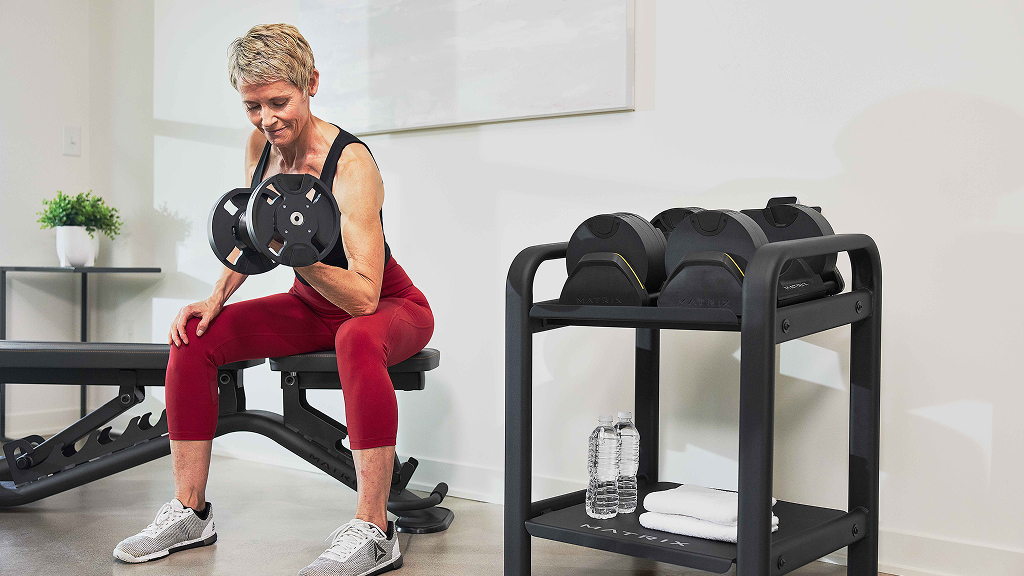
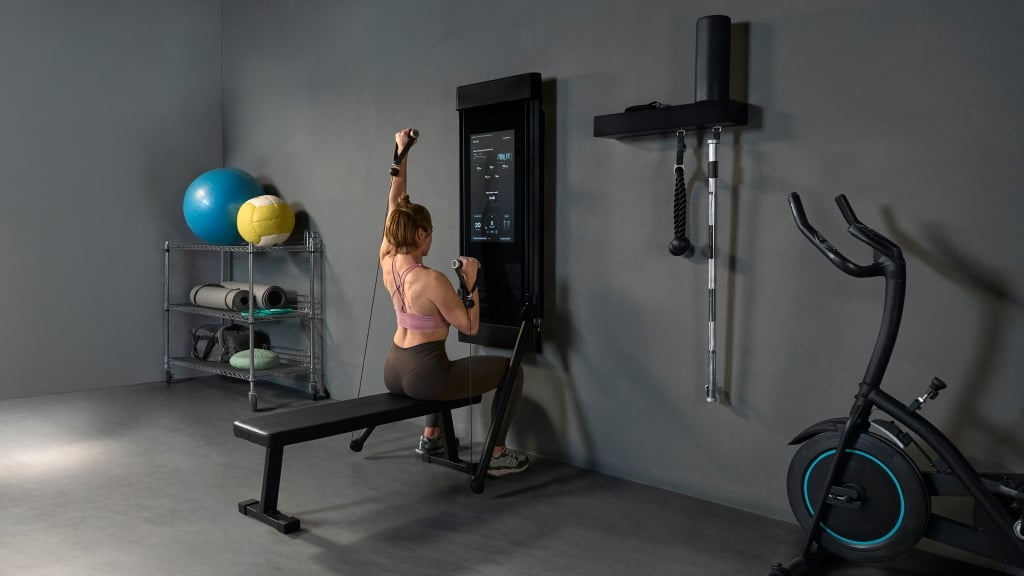
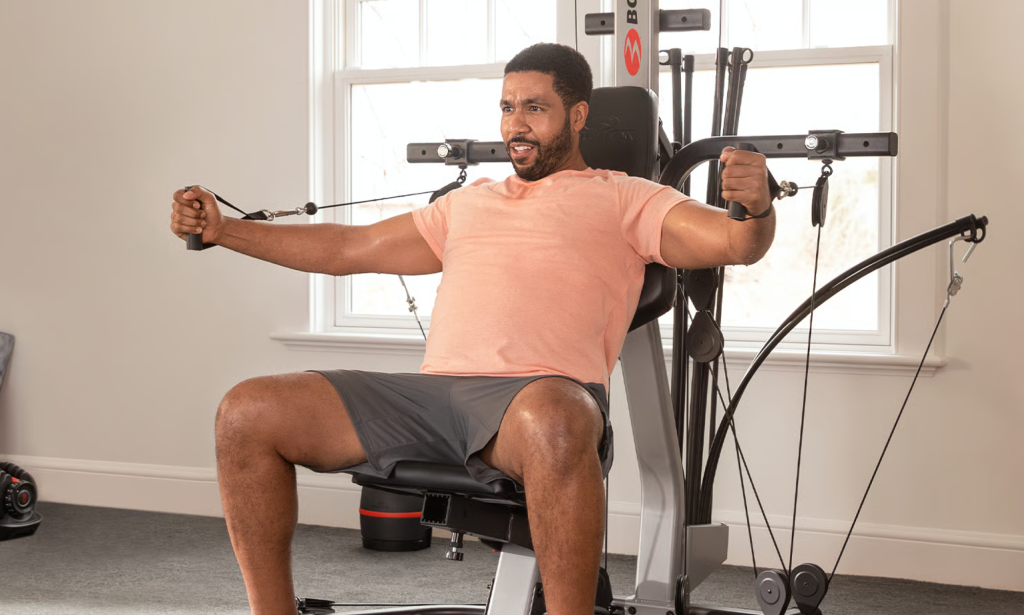
You do not need an elaborate gym routine to start strength training. Focus on movements that make everyday activities easier. Strength training for GLP-1 users might include:
- Squats or sit-to-stands
- Rows
- Chest presses
- Step-ups
- Overhead presses
- Carrying weights
- Core exercises
These exercises engage the muscles that you need for day-to-day activities, such as getting up from a chair, carrying groceries, or lifting items over your head. The goal is to keep the muscles you have and maintain your ability to easily perform activities of daily living.
If you’re new to resistance training, begin with body weight, resistance bands, or light dumbbells. Or consider consulting with a physical therapist or personal trainer who can help guide you.
Consistency Beats Intensity
The best exercise routine is the one you can continue doing. Walking most days of the week and strength training twice weekly will provide far greater long-term benefits than starting an intense workout program that feels impossible to maintain.
Remember, the goal is not simply losing weight. The goal is to lose fat while maintaining the muscle, strength, balance, and mobility that help you stay active and independent for years to come.
GLP-1 medications can make weight loss easier, but walking and strength training help ensure that the weight you lose is the weight you want to lose.